
How Much Pressure Is Used in Power Washing
Hatboro, Pennsylvania, United States, 5th Sep 2026 - Power washing is one of the most effective ways to remove dirt, grime, mold, algae, and stains from outdoor surfaces. However, many homeowners wonder how much pressure is actually used during the cleaning process and whether high pressure is always the best choice. The truth is that the ideal pressure depends on the material being cleaned, its condition, and the type of buildup present. Using too much pressure can damage delicate surfaces, while too little pressure may leave dirt behind. Understanding the proper pressure levels helps property owners protect their investments while achieving excellent cleaning results. Whether you’re maintaining a driveway, siding, deck, or patio, knowing how pressure settings work can help you make informed decisions before scheduling a professional cleaning service.
Understanding PSI and GPM in Power Washing
When discussing pressure, you’ll often hear two important terms: PSI (pounds per square inch) and GPM (gallons per minute). PSI measures the force of the water, while GPM measures the amount of water flowing through the machine. Together, these numbers determine how effectively a surface can be cleaned.
Higher PSI doesn’t always mean better cleaning. In many situations, increasing water flow instead of pressure provides better results while reducing the risk of damage. Professional equipment balances both measurements to clean efficiently and safely.
Residential pressure washers generally range between 1,300 and 3,000 PSI. Commercial machines can exceed 4,000 PSI, but those higher settings are typically reserved for industrial surfaces or heavy-duty cleaning applications.
Professionals evaluate the surface before choosing the correct settings. Factors like age, paint condition, material type, and environmental buildup all influence the appropriate pressure level.
Rather than relying solely on pressure, experienced technicians combine the correct PSI with specialized cleaning solutions and proper spray techniques. This creates better cleaning performance while preserving the integrity of the surface.
Understanding these basics explains why professional services often produce superior results compared to simply renting a pressure washer and using maximum pressure on every surface.
Recommended Pressure Levels for Different Surfaces
Every exterior surface requires a different approach. Concrete can tolerate much higher pressure than vinyl siding or painted wood.
Concrete driveways typically require between 2,500 and 3,500 PSI to remove embedded dirt, oil stains, and mildew. These hard surfaces are durable enough to withstand higher cleaning pressure.
Brick and pavers generally require moderate pressure depending on their condition. Older mortar joints may need reduced pressure to prevent deterioration.
Wood decks are much more delicate. Cleaning usually ranges between 500 and 1,500 PSI depending on the wood species and age. Excessive pressure can leave permanent grooves or splinter the wood.
Vinyl siding often needs only 1,000 to 1,500 PSI when combined with proper detergents. Many professionals actually rely more on cleaning solutions than high pressure for siding maintenance.
Roofs are another example where lower pressure is preferred. Instead of blasting shingles with high PSI, professionals often use soft washing methods to safely remove algae and moss.
Selecting the correct pressure for each material helps ensure effective cleaning without creating unnecessary repairs afterward.

Why More Pressure Isn’t Always Better
Many homeowners assume stronger pressure automatically means cleaner surfaces. In reality, excessive pressure often creates more problems than benefits.
High-pressure water can strip paint from siding, scar wood decks, loosen roofing shingles, and even crack window seals. Once damage occurs, repairs can cost far more than the cleaning itself.
Professional technicians understand that chemical cleaning solutions perform much of the work. Detergents break down mold, mildew, algae, grease, and dirt before water rinses everything away.
Using lower pressure with quality detergents often cleans better than relying solely on brute force. The cleaning agents dissolve contaminants that water pressure alone cannot remove.
Experienced operators also adjust spray angles, nozzle sizes, and distance from the surface. These variables significantly affect cleaning effectiveness while reducing the likelihood of accidental damage.
Instead of maximizing PSI, professionals focus on maximizing cleaning efficiency. This balanced approach protects exterior materials while delivering outstanding results.
Choosing the right combination of equipment, detergents, and technique produces cleaner surfaces with much lower risk.
How Professionals Determine the Right Pressure
Professional cleaners don’t simply start every job with the same settings. They first inspect the property to understand the condition of each surface.
They examine materials for cracks, loose paint, weather damage, aging, and existing repairs. Older surfaces often require gentler cleaning than newly installed materials.
Technicians also identify the type of contamination. Mold, mildew, algae, grease, rust stains, and general dirt each respond differently to cleaning methods.
Testing a small hidden section allows adjustments before cleaning highly visible areas. This process ensures the selected pressure produces safe, effective results.
Professionals may change pressure multiple times throughout one project. A driveway, patio, siding, fence, and deck all require different techniques despite being cleaned on the same day.
Years of experience allow technicians to recognize how surfaces respond during cleaning. They can quickly adjust equipment to avoid damage while maintaining excellent cleaning performance.
Soft Washing vs. Traditional Power Washing
Not every cleaning project actually requires high-pressure washing. In many situations, soft washing provides safer and more effective results.
Soft washing uses lower water pressure combined with specialized biodegradable cleaning solutions. The chemicals eliminate algae, mold, mildew, bacteria, and organic stains before the surface is gently rinsed.
This method is commonly used for roofs, painted siding, stucco, vinyl, screens, fences, and delicate landscaping features.
Traditional high-pressure cleaning remains the preferred choice for durable materials like concrete sidewalks, brick driveways, stone patios, and heavily stained hard surfaces.
Many professional companies combine both methods during the same project. They may soft wash siding while using higher pressure on concrete walkways.
The ability to choose between cleaning methods demonstrates professional expertise. Rather than treating every surface identically, technicians select the safest process for each area.
Common Mistakes When Using Too Much Pressure
Improper pressure washing causes thousands of dollars in preventable property damage every year.
One common mistake is holding the spray nozzle too close to the surface. Even moderate pressure becomes destructive when concentrated in one small area.
Using incorrect nozzle tips can also increase water force dramatically. Narrow spray angles focus pressure into smaller areas, making accidental damage much more likely.
Another frequent error involves cleaning painted wood with excessive PSI. Paint removal may seem minor initially but often exposes bare wood to moisture and weather damage.
Pressure washing windows, doors, and roof shingles improperly can force water behind protective barriers. This trapped moisture may contribute to mold growth or structural deterioration.
Many homeowners also underestimate the force generated by commercial-grade equipment. Professional machines are significantly stronger than consumer models.

Factors That Affect Pressure Requirements
Several environmental and structural factors influence how much pressure should be used during cleaning.
Surface age is one of the biggest considerations. Older materials naturally become weaker over time and may require gentler treatment.
Weather exposure also matters. Constant sunlight, freezing temperatures, and moisture gradually reduce surface durability.
The type of stain influences pressure requirements as well. Organic growth often responds well to cleaning solutions, while grease or oil stains may need additional pressure combined with degreasers.
Previous repairs can affect cleaning decisions. Patched concrete, replacement boards, loose mortar, or peeling paint require extra caution.
Water temperature also plays a role. Heated water can improve cleaning performance without increasing PSI, especially for grease and industrial contaminants.
Why Professional Power Washing Delivers Better Results
Professional power washing services combine experience, specialized equipment, and proven cleaning methods to achieve superior outcomes.
Commercial equipment offers greater control than most rental machines. Adjustable pressure settings, multiple nozzle options, and high-capacity water flow improve cleaning precision.
Professionals also understand proper chemical application. Eco-friendly detergents remove biological growth more effectively than water pressure alone while helping prevent quick regrowth.
Insurance coverage and safety training provide additional peace of mind. Experienced technicians know how to protect landscaping, electrical fixtures, painted surfaces, and surrounding property.
Hiring professionals also saves valuable time. What might take a homeowner an entire weekend can often be completed efficiently in just a few hours.
Most importantly, professional cleaning reduces the risk of accidental property damage. Correct pressure selection, proper techniques, and surface-specific methods help preserve your investment while restoring curb appeal.
Conclusion
The amount of pressure used in power washing depends entirely on the surface being cleaned, its condition, and the type of contaminants being removed. While concrete can handle higher PSI, materials like wood, siding, and roofing require a much gentler approach. Professional technicians carefully evaluate every surface before selecting the appropriate pressure, cleaning solutions, and techniques to achieve outstanding results without causing damage. If you’re looking to refresh your home’s exterior safely and effectively, trust the experienced team at Sud Slingers Power washing. Proudly serving Hatboro, they provide reliable exterior cleaning solutions tailored to every property. To schedule a professional assessment or learn more about their services, call 215-833-4411 today and discover the difference expert cleaning can make.
https://www.spreaker.com/episode/how-much-pressure-is-used-in-power-washing–74698300
https://www.podomatic.com/podcasts/amandajordan199061podcast/episodes/2026-08-26T07_37_37-07_00
https://stream.redcircle.com/episodes/cc5359bc-c4b0-41f6-8e38-98e0e111b143/stream.mp3
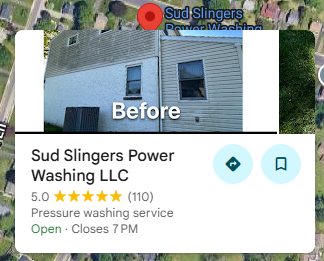
Sud Slingers Power Washing LLC
103 Newington Dr, Hatboro, PA 19040, United States
+12158334411
Media Contact
Organization: Sud Slingers Power Washing LLC
Contact Person: Sud Slingers Power Washing LLC
Website: https://sudslingerspw.com/
Email: Send Email
Contact Number: +12158334411
Address:103 Newington Dr, Hatboro, PA 19040, United States
Address 2: 5V8P+W6 Hatboro, Pennsylvania, USA
City: Hatboro
State: Pennsylvania
Country:United States
Release id:48838
The post How Much Pressure Is Used in Power Washing appeared first on King Newswire. This content is provided by a third-party source.. King Newswire is a press release distribution agency. We do not accept any responsibility or liability for the accuracy, content, images, videos, licences, completeness, legality, or reliability of the information contained in this article. If you have any complaints or copyright concerns related to this article, please contact the company listed in the ‘Media Contact’ section above.
Disclaimer: The views, recommendations, and opinions expressed in this content belong solely to the third-party experts. This site was not involved in the writing and production of this article.